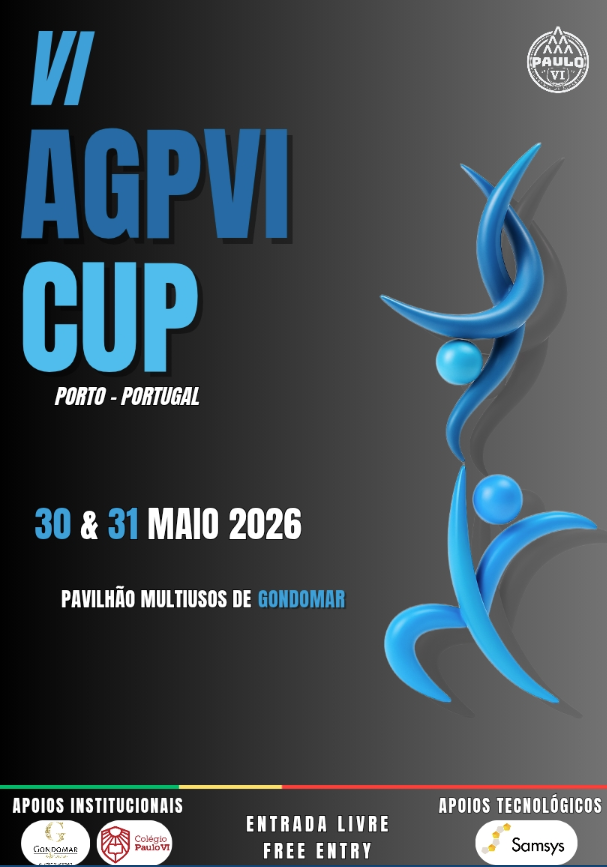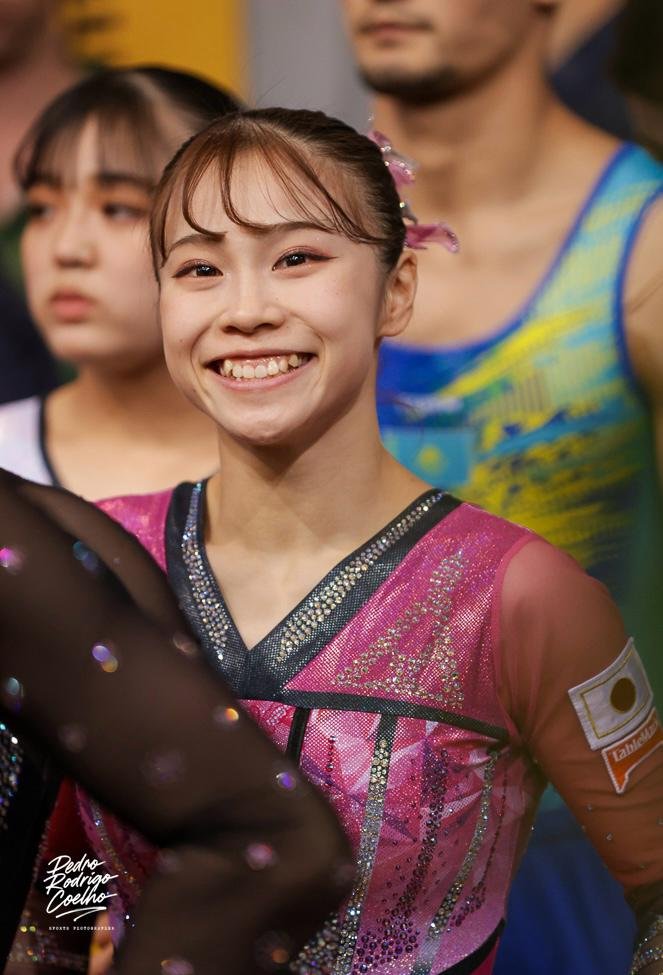
Em Portugal, ainda existe um traço profundamente enraizado em vários clubes e federações: a incapacidade de compreender que o desporto só cresce com exposição, liberdade e pluralidade de informação. Em vez disso, multiplicam-se episódios em que organismos desportivos — muitos deles financiados com dinheiros públicos — tentam condicionar ou limitar o trabalho jornalístico em competições onde, ironicamente, o público presente se resume quase exclusivamente aos pais dos atletas.
É uma visão pequena, que prejudica todos: modalidades, atletas, clubes e o próprio país.
Transmissões oficiais não são jornalismo
A justificação usada é sempre a mesma: “Já temos cobertura”, frequentemente paga, controlada pela organização, e mais próxima de marketing institucional do que de informação jornalística independente. Mas uma transmissão não é jornalismo. Não escrutina, não contextualiza, não questiona, não investiga. Não conta histórias. Não dá voz aos atletas, aos treinadores ou às famílias. Não cria debate.
Confundir transmissão com imprensa é não entender o papel fundamental que a comunicação social tem na promoção das modalidades — especialmente daquelas que lutam para não desaparecer do espaço público.
Atletas que pagam para representar Portugal
A realidade é conhecida mas raramente assumida: muitos atletas não seniores pagam do seu bolso para representar o país. Em modalidades como a ginástica, pagam até o equipamento oficial da seleção. Fazem-no por paixão, por compromisso, por ambição.
E enquanto estes jovens carregam Portugal ao peito à custa das suas famílias, as federações e clubes fecham portas a quem quer divulgar o seu esforço. Recusam acreditações a jornalistas credenciados, como se estivessem a prestar um favor, quando no fundo estão a violar um direito consagrado na Constituição e na Lei de Imprensa.
Direito de acesso à informação não é opcional
A Constituição da República Portuguesa protege a liberdade de expressão e de informação (Artigo 37.º) e a liberdade de imprensa, incluindo o acesso às fontes (Artigo 38.º). A Lei de Imprensa reforça que os jornalistas têm direito de acesso a locais de interesse público e não podem ser discriminados (Artigo 8.º). O Estatuto do Jornalista confirma o mesmo: o acesso só pode ser limitado por razões de segurança, capacidade física ou segredo legal. Nunca por conveniência institucional.
E a CCPJ tem sido inequívoca nos seus comunicados:
Uma transmissão oficial não substitui a imprensa. Uma federação não é um órgão de comunicação social. A acreditação serve para organizar, não para restringir.
Quando um organismo desportivo, financiado com fundos públicos, impede o acesso jornalístico apenas porque já tem um canal online pago, ou tem um serviço de venda de fotografias aos atletas e família, está a contrariar tudo isto. Está a privar o público do direito a ser informado. Está a afastar patrocinadores. Está a limitar o crescimento da modalidade que deveria promover.
A promoção não se faz com portas fechadas
O desporto cresce com história, com visibilidade, com emoção partilhada. Cresce quando se mostra, não quando se esconde.
Cresce com jornalistas independentes que contam aquilo que as transmissões institucionais não mostram. Cresce quando se permite a pluralidade de olhares e não apenas a narrativa oficial.
Enquanto a prioridade continuar a ser proteger transmissões pagas, vender acessos online ou controlar a narrativa em vez de promover a modalidade, nada mudará. Continuaremos com pavilhões meio vazios, atletas a pagar equipamentos, clubes sem patrocinadores e modalidades que só são vistas por quem já lá está.
É o círculo perfeito da estagnação.
Se queremos mudar, temos de abrir as portas
Portugal não pode continuar a tratar o jornalismo como um incómodo. É um pilar democrático, um direito constitucional e um instrumento essencial para o crescimento do desporto. Acreditar o contrário é perpetuar um modelo fechado, pobre e curto — um modelo que serve poucos e prejudica muitos.
Se o objetivo de clubes e federações é verdadeiramente promover o desporto, então a solução é evidente:
mais abertura, mais transparência, mais comunicação e mais imprensa.
Menos controlo, menos barreiras, menos medo da exposição ou de perda de receitas na venda de produtos aos mesmos. Atletas e suas famílias.
Porque um país que não deixa contar as histórias dos seus atletas, nunca vai conseguir torná-los verdadeiramente grandes.
English
In Portugal, there is still a deeply rooted pattern within several clubs and federations: the inability to understand that sport only grows with exposure, freedom, and plurality of information.
Instead, we see recurring situations where sports organizations — many of them funded with public money — try to condition or restrict journalistic work at competitions where, ironically, the audience consists almost exclusively of the athletes’ parents.
It is a narrow mindset that harms everyone: the disciplines, the athletes, the clubs, and the country itself.
Official broadcasts are not journalism
The justification is always the same: “We already have coverage.”
Often paid, controlled by the organization, and closer to institutional marketing than to independent journalism.
But a broadcast is not journalism.
It does not scrutinize, contextualize, question, or investigate.
It does not tell stories.
It does not give a voice to athletes, coaches, or families.
It does not create debate.
Confusing a broadcast with the press is failing to understand the fundamental role that the media plays in promoting sports — especially those fighting not to disappear from the public space.
Athletes who pay to represent Portugal
The reality is known but rarely acknowledged: many non-senior athletes pay out of their own pocket to represent the country. In sports like gymnastics, they even pay for the official national team kit. They do it out of passion, commitment, and ambition.
And while these young athletes carry Portugal on their chest at the expense of their families, federations and clubs close their doors to those who want to showcase their effort. They refuse accreditation to credentialed journalists, as if they were doing them a favour — when, in fact, they are violating a right enshrined in the Constitution and in the Press Law.
The right to access information is not optional
The Constitution of the Portuguese Republic protects freedom of expression and information (Article 37) and freedom of the press, including access to sources (Article 38).
The Press Law reinforces that journalists have the right to access places of public interest and cannot be discriminated against (Article 8).
The Journalist’s Code confirms the same: access can only be limited for reasons of safety, physical capacity, or legal secrecy — never for institutional convenience.
And the CCPJ has been unequivocal in its public statements:
An official broadcast does not replace the press.
A federation is not a media outlet.
Accreditations exist to organize — not to restrict.
When a sports organization, funded with public money, blocks journalistic access simply because it already has a paid online channel or a photography sales service aimed at athletes and families, it is contradicting all of this.
It is depriving the public of its right to be informed.
It is distancing sponsors.
It is limiting the growth of the sport it should be promoting.
Promotion does not happen behind closed doors
Sport grows through stories, visibility, and shared emotion.
It grows when it is shown, not hidden.
It grows with independent journalists who tell what institutional broadcasts do not show.
It grows when multiple perspectives are allowed, rather than just the official narrative.
As long as the priority remains protecting paid broadcasts, selling online access, or controlling the narrative instead of promoting the sport, nothing will change.
We will continue with half-empty venues, athletes paying for equipment, clubs without sponsors, and sports seen only by those who are already inside the system.
It is the perfect circle of stagnation.
If we want change, we must open the doors
Portugal cannot continue treating journalism as an inconvenience.
It is a democratic pillar, a constitutional right, and an essential tool for the growth of sport.
Believing otherwise is perpetuating a closed, weak, and small-minded model — one that benefits few and harms many.
If the goal of clubs and federations is truly to promote sport, then the solution is clear:
more openness, more transparency, more communication, and more press.
Less control, fewer barriers, less fear of exposure or of losing revenue from selling products to the same people — the athletes and their families.
Because a country that does not allow the stories of its athletes to be told will never be able to make them truly great.